Blog
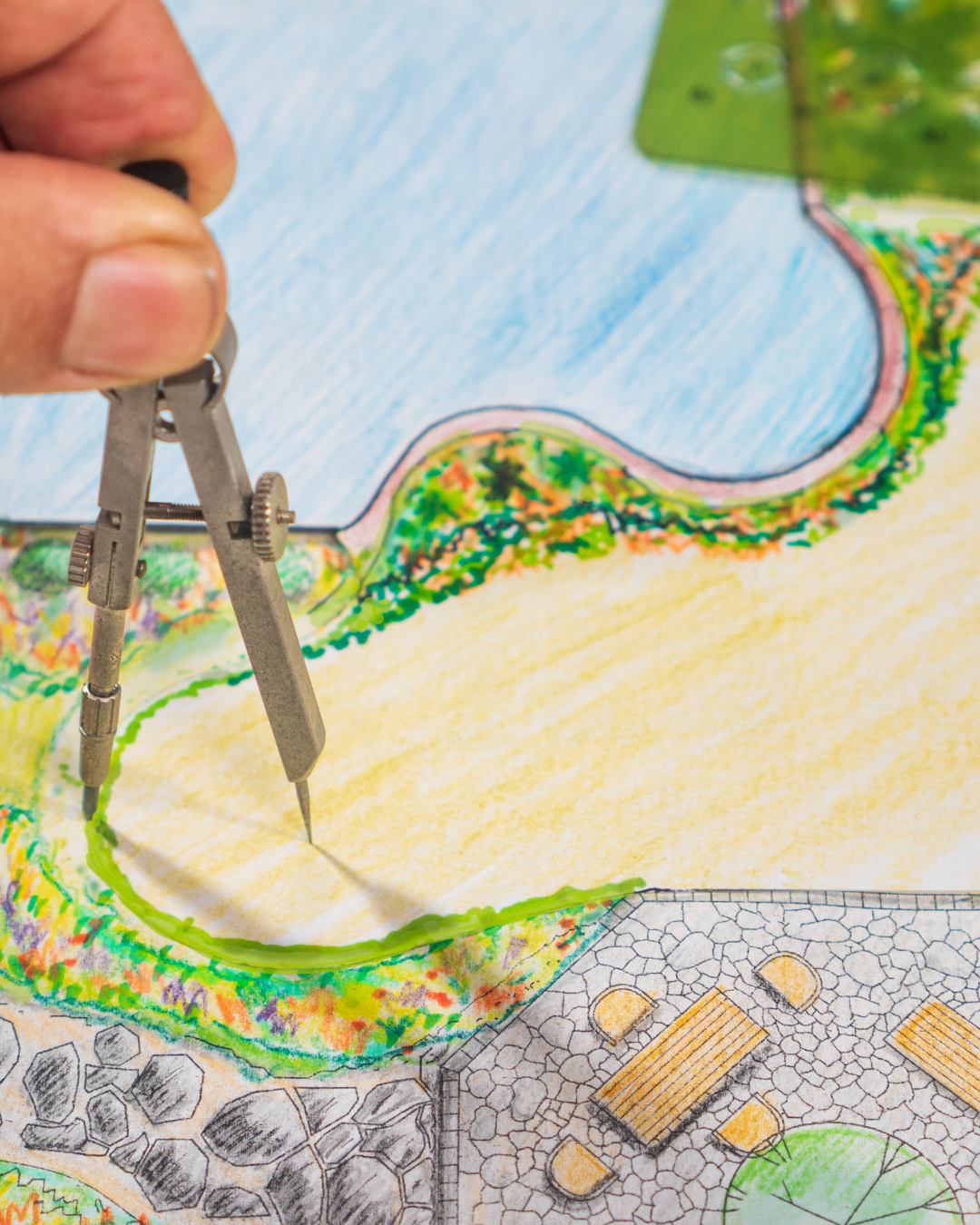
In recent years, schools across Ireland have opened more and more autism classes. This is genuinely positive progress. For many families, these classes mean access to support that previously simply didn’t exist. They represent recognition, awareness, and a willingness to adapt our education system to meet diverse needs. But while celebrating this progress, I often find myself wondering: what about the other neurodivergent students? What about ADHDers? What about twice-exceptional learners? What about students whose needs don’t fit neatly into one category? Neurodiversity is much broader than any single label. Autism classes can provide essential support for many students, but the wider school environment is still often built around a very narrow idea of how children should learn, move, focus, and behave. When that happens, teachers, even the most dedicated ones, are left trying to bridge the gap between students’ needs and environments that were never designed with them in mind. And there are so many incredible teachers in Ireland doing exactly that every day. But sometimes the issue isn’t teaching practice. Sometimes the issue is the environment itself. Equity in education doesn’t begin and end in the classroom. It extends to the entire school building. Lighting, noise levels, movement spaces, sensory regulation areas, predictable routines, flexible seating, quiet corners, and safe places to decompress can make an enormous difference. For many neurodivergent children, these environmental factors determine whether they can truly engage in learning or simply try to get through the school day. This is where the concept of Universal Design for Learning (UDL) becomes so powerful. Universal design asks a simple but transformative question: What if we designed schools from the start to work for as many learners as possible? Instead of creating systems that fit only one type of student and then adding accommodations later, universal design encourages us to build environments that naturally support a wide range of minds. Flexible spaces. Multiple ways to engage with learning. Opportunities for movement. Different ways to show understanding. When schools embrace this approach, everyone benefits, not just neurodivergent students. Autism classes are an important step forward, and the teachers working in them, and in mainstream classrooms, deserve enormous recognition. But the long-term goal should be broader: schools designed with neurodiversity in mind from the start, where different ways of thinking, learning, and being are expected rather than accommodated. Because when we create environments that support different kinds of minds, we don’t just make school more accessible. We make it better for everyone.
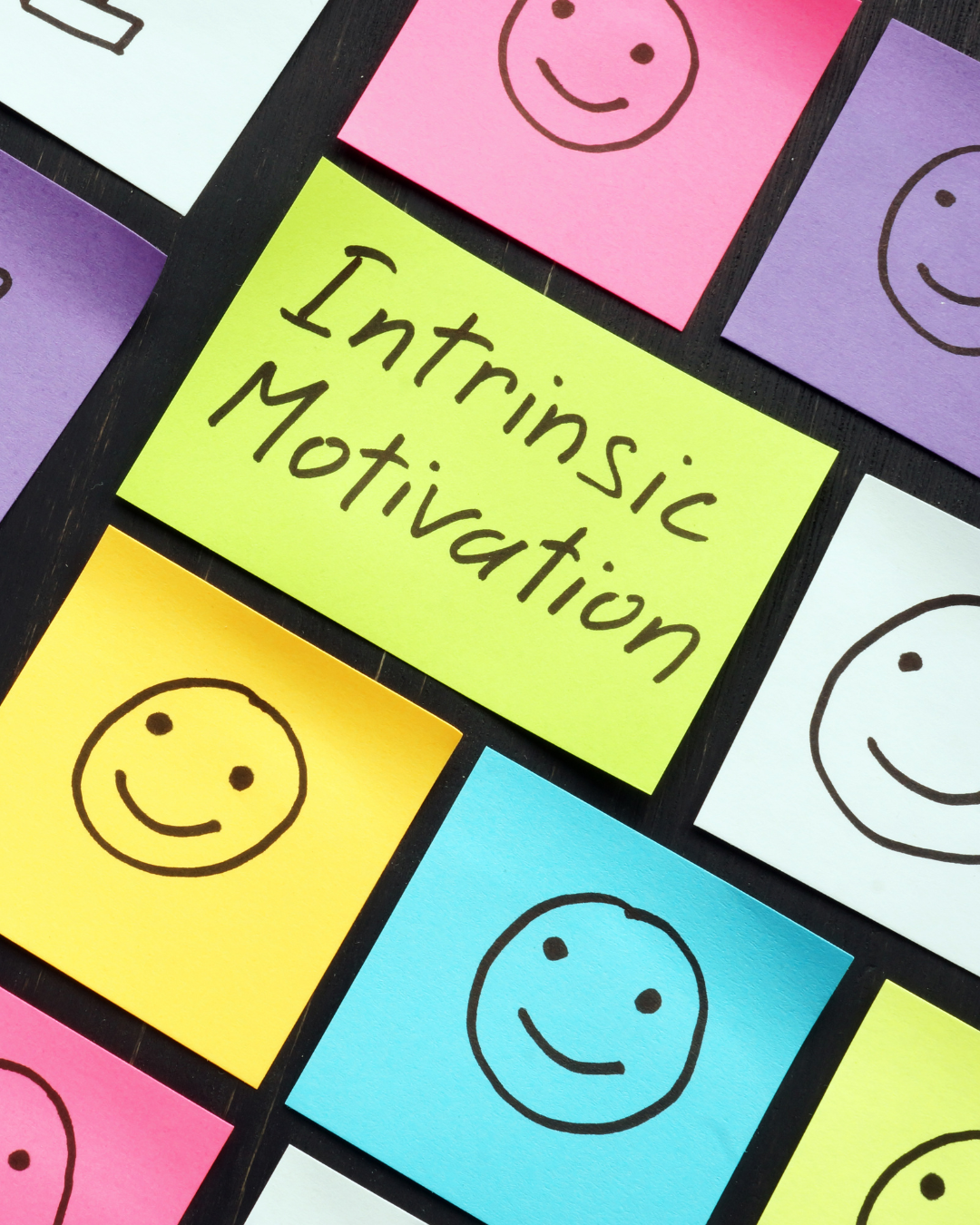
Too often, especially with neurodivergent children, we fall into the trap of using rewards and praise as tools to manage behaviour. Stickers, points, praise, "good girl", "well done", "good job" — these may seem harmless, even helpful. But they risk teaching children to perform for approval, rather than to develop a deep, personal connection to what they do and why they do it. We are not raising children to please teachers, parents or therapists. We are guiding them to become emotionally intelligent, self-aware adults who know how to care for themselves, not because someone told them to, but because they value themselves. This is intrinsic motivation. And it matters. As adults, how many of us go to work each day simply to earn money. How many dread Mondays, feel disconnected from their work, and live for the weekend. This is the cost of relying on external rewards. When work is disconnected from meaning, we lose motivation, fulfilment and identity. So why are we raising children to follow the same path? Instead, let us raise them to do things because they matter to them . Let us support them in discovering their own sense of accomplishment and pride. Rather than saying "good girl" or "well done", how about: "You’ve made it. You should be so proud." "I can see how hard you worked. I’m sure you are thrilled with what you’ve done." These kinds of responses help children locate pride and satisfaction within themselves , not in the reactions of others. We want them to feel the gratitude of taking care of themselves, and the joy of achieving something for their own growth, not to earn someone else's approval. This is not just theory. This is backed by decades of research. In Drive: The Surprising Truth About What Motivates Us , Daniel H. Pink explains that intrinsic motivation, autonomy, mastery and purpose, is far more powerful and sustainable than external incentives. Likewise, research by Amabile, Hennessey and Grossman (1986) in the Journal of Personality and Social Psychology showed that expected rewards can actually reduce creativity and internal motivation. Jane Nelsen’s Positive Discipline also offers a compassionate, respectful and evidence-informed approach to helping children grow into capable and resilient adults, without bribes, punishment or empty praise. Children are not here to make our lives easier. They are here to grow into people with a strong self-concept, rooted in their own values. Our job is not to control them, but to support them in becoming themselves. Let us stop asking, “How can I get them to do it?” Let us start asking, “How can I help them want to do it — for themselves?” Because in the end, this is not about compliance. It is about becoming. Recommended reading: Drive by Daniel H. Pink (2010) Positive Discipline by Jane Nelsen (2016) Amabile, T. M., Hennessey, B. A., & Grossman, B. S. (1986). Social influences on creativity: The effects of contracted-for reward. Journal of Personality and Social Psychology

Very often, when we talk about neurodivergent childhood, we do it from a pity view. From a framework that teaches the child about their "lackings" and their deficits. But rarely are we willing to assess the environment where that child lives, or even the educational system itself. This is not just about using neuroaffirming language or showing real inclusion. We need to go further and deeper into the rabbit hole. What is this doing to the child’s self-esteem or the child’s self-concept? What about their ability to connect with themselves and respect their needs? What about teaching them from a framework that promotes genuine well-being and good mental health? Personal development is possible, even when your neurology is different, just like everyone else’s. Somehow yours is more interesting, and everyone is pointing at you. But yes, there is power within you; there is a personality and an identity worth treasuring. And no, you are not broken, you are not a default. You are marvellous! Even though your nervous system gets hurt in this crazy, fast, loud world, you have the amazing power to connect with nature far beyond typical norms. I’m talking about true connection, like looking at a landscape and crying out of wonder. You can feel your heart fill with authentic joy while doing something as simple as soaking your hands in dried lentils! But there is no time for this in the modern world. You are not given the time to allow your mind to get hyper focused, no time to adapt the curriculum, no time to present materials from a monotropic perspective. And you are not certainly given the time to stim, because, hey, it looks too weird. And remember: if you are moving, you are not paying attention. And then is when it truly hits you! You feel like you have to step aside, you feel like you cannot be yourself, like you don’t belong. The message you receive is: The system is not broken. You are. Who can fight this strong statement, when everyone is agreeing: your teachers, your doctors, your aunts and uncles, and now even mum and dad? Because the pressure is too much. It gets to everyone. What can we do to help you believe again? To give you permission to reconnect with yourself? Would you believe us if we tell you that you are amazing? That the power lies within? You just need to trust. And be patient. Please, believe us when we tell you they will get there eventually. In the meantime, try to protect yourself. Because you are worthy of true love.

Inclusion is often spoken about as though it’s a distant goal or a box to be ticked. But for many neurodivergent people, it’s a daily experience of being misunderstood, evaluated, or pressured to fit into systems never designed for them. This piece is a hopeful vision — a dream of a world where we listen deeply, adapt boldly, and celebrate the beautiful ways our brains work differently. At BeeUtiful Minds, we often dream about a world where labels, diagnoses, and assessments are not needed — meaning that society has reached a level of awareness where we allow everyone to be who they want to be. A world where we believe children and don’t patronise them. A world where difference is truly celebrated — not just by flying a flag on a particular day, but where we allow our environments (offices, schools, classrooms, banks, shops, restaurants, doctors’ offices, hospitals, parks, museums, universities, etc.) to be dynamic and flexible. A world where we encourage authenticity and focus on mental health, emotional intelligence, and sensory awareness. Is it too much to ask for? We always looked at the animal kingdom with respect and admiration. All animals are different; they have a purpose and they are connected to their needs and instincts. We would never ask a cow to fly, or a mouse to live in a pond, or a frog to give birth. Then, why are we doing this to human beings? It feels so simple, yet so complicated. Why are we so afraid of change, of difference? What is it that activates our fear when we face dynamism? We don’t have the answer, and we are not doing things better than other people. We are just hoping for the best. We truly think it’s time to embrace change and difference properly — to allow a person to be. To embrace neuroscience and all the amazing research happening around us, telling us we are all wired differently; therefore, we feel differently, we learn differently, and we would like to live our lives befriending our brains, not against them. Please, let us. Please, join us.
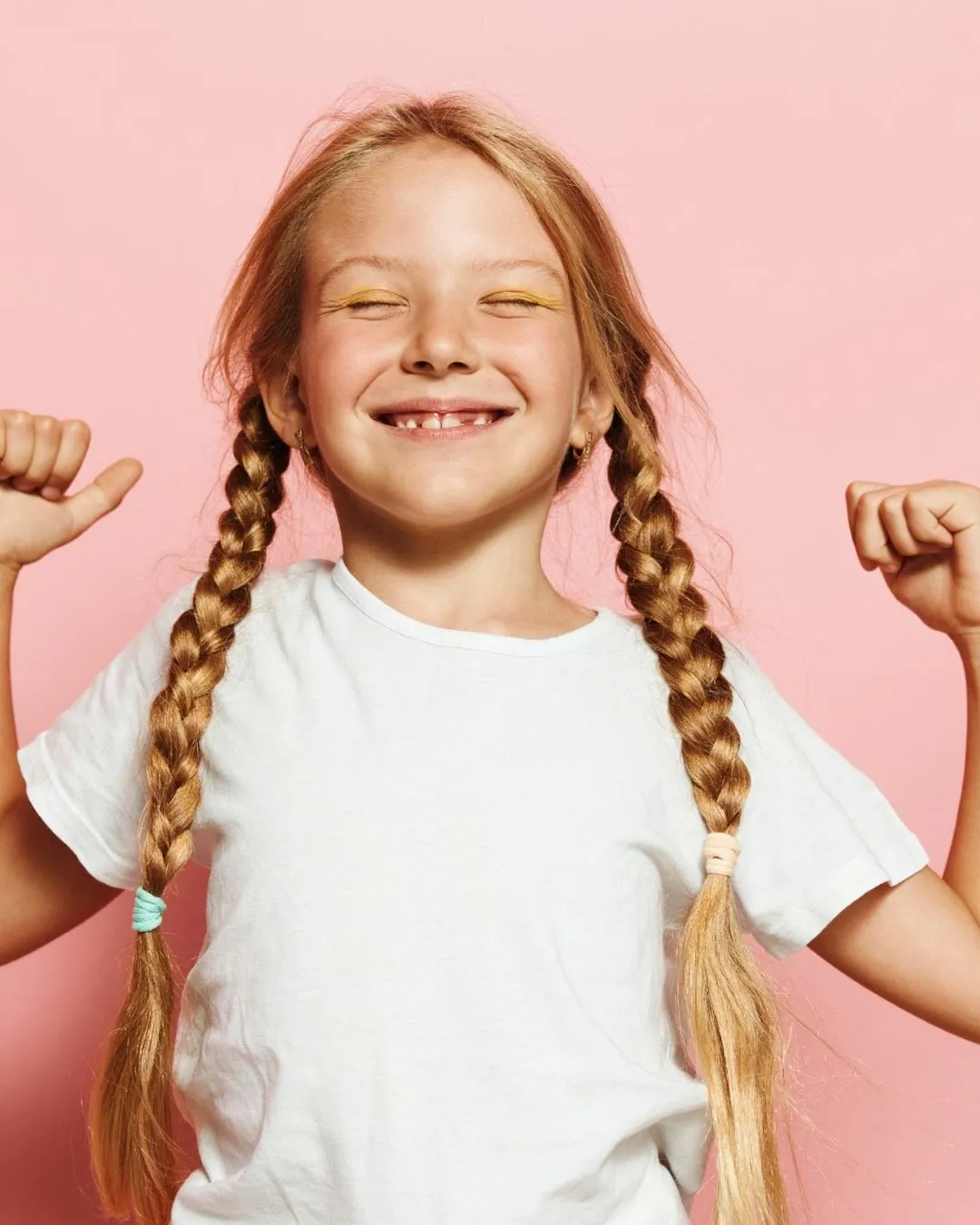
A Neurodivergent 9-Year-Old Speaks Children’s voices are valuable. Too often, the experiences of neurodivergent kids are overlooked. Listening to them is essential. Their perspectives can teach us how to build a world where being different is celebrated, not corrected. We recently had the privilege of speaking with a 9-year-old girl who is autistic, gifted, and has ADHD. Here is her story in her own words. Q: How do you feel about being called 'neurodivergent' or 'neurodiverse'? What do those words mean to you? "I actually don’t know, it means that I’m different." Q: If you could describe yourself in three words, what would they be? "Happy. Pretty. Sometimes sad." Q: What are some things you feel really good at or enjoy doing? "Riding horses, playing hide and seek." Q: Can you share a time when you felt proud of something you accomplished? "Going to the dentist, because I'm very scared of it, and when I got elected student council last year." Q: What does your brain do when it's feeling extra busy or distracted? "When I’m busy, I like to be busy, and when I’m distracted, I can get annoyed. For example, when the teacher is talking and a friend is talking to me, I try to tell them not to talk. Sometimes I cannot help but get distracted." Q: Are there things that help you focus or calm down when you're feeling overwhelmed? "Hugs from mam and dad help a lot, petting my dog, and fidget tools sometimes." Q: Are there sounds, lights, or textures that you really like or dislike? "I love the sound of heels when they touch the ground—it’s regulating. I dislike when my dog barks really loud, crowded places, and loud music." Q: How do you like to spend time alone or with others? "With others I like to play; with myself I like to watch a movie and read." Q: What do you like most about school? Is there anything that makes school tricky for you? "Big break! Listening to the teacher can be tricky." Q: How do you learn best? Are there things that help you understand or remember things? "In fun ways, with movement as well. Writing stuff down helps me remember." Q: How do you like to make friends? "So-so." Q: What makes you feel happy when you're with other kids? "Playing." Q: What makes you feel upset when you're with other kids? "When in a large group, it is difficult for me to know when is my turn to talk. Sometimes I need to speak loudly and my throat hurts later." Q: Is there something you wish people knew about you? "I don’t know." Q: How can adults help you feel understood and supported? "I feel supported once they get to really know me." Her words remind us that identity is personal and evolving. Being neurodivergent isn’t something that defines her limitations—it’s just one part of who she is. She can see herself as happy and capable, and also acknowledge her moments of sadness. These answers highlight her unique strengths and accomplishments. Moments that might seem small to adults—like visiting the dentist—are big achievements to her, reflecting resilience, courage, and independence. Celebrating these victories helps children develop confidence and pride in their abilities, rather than focusing only on their challenges. Hearing her describe her ADHD shows both the challenges and the strategies she uses to navigate them, highlighting the importance of support, understanding, and practical tools that allow her to manage her busy mind in ways that feel safe and empowering. Her sensory experiences shape how she engages with the world, reminding us that neurodivergent children experience the environment differently and that respecting those differences is key to supporting their wellbeing. Her ability to enjoy both social play and solitary activities shows the richness and variety of her interests. Her insights on learning underscore the need for flexibility and creativity in education, while her social experiences reveal both the joys and complications of interaction. Understanding and respecting these differences is crucial to helping children feel included without forcing them to conform. Finally, her reflections on support remind us that it’s not about fixing or changing her—it’s about listening, observing, and building understanding. Children feel most empowered when they are seen, accepted, and given space to be themselves. Reminder for All of Us These insights are more than just an interview. They are a call to action. Neurodivergent children are not broken. They are enough. They are full of creativity, love, and intelligence. Perhaps we should take Oscar Wilde’s words to heart: "Be yourself; everyone else is already taken." By listening, affirming, and valuing neurodivergent voices, we can help children grow up feeling loved, understood, and empowered to be themselves. And that, in turn, can prevent the pain and struggles that come from feeling like you must conform to a world that doesn’t see you. Let’s start listening. Let’s start learning. Let’s start celebrating the unique, brilliant minds of our children.
Recent Posts
In recent years, schools across Ireland have opened more and more autism classes. This is genuinely positive progress. For many families, these classes mean access to support that previously simply didn’t exist. They represent recognition, awareness, and a willingness to adapt our education system to meet diverse needs. But while celebrating this progress, I often find myself wondering: what about the other neurodivergent students? What about ADHDers? What about twice-exceptional learners? What about students whose needs don’t fit neatly into one category? Neurodiversity is much broader than any single label. Autism classes can provide essential support for many students, but the wider school environment is still often built around a very narrow idea of how children should learn, move, focus, and behave. When that happens, teachers, even the most dedicated ones, are left trying to bridge the gap between students’ needs and environments that were never designed with them in mind. And there are so many incredible teachers in Ireland doing exactly that every day. But sometimes the issue isn’t teaching practice. Sometimes the issue is the environment itself. Equity in education doesn’t begin and end in the classroom. It extends to the entire school building. Lighting, noise levels, movement spaces, sensory regulation areas, predictable routines, flexible seating, quiet corners, and safe places to decompress can make an enormous difference. For many neurodivergent children, these environmental factors determine whether they can truly engage in learning or simply try to get through the school day. This is where the concept of Universal Design for Learning (UDL) becomes so powerful. Universal design asks a simple but transformative question: What if we designed schools from the start to work for as many learners as possible? Instead of creating systems that fit only one type of student and then adding accommodations later, universal design encourages us to build environments that naturally support a wide range of minds. Flexible spaces. Multiple ways to engage with learning. Opportunities for movement. Different ways to show understanding. When schools embrace this approach, everyone benefits, not just neurodivergent students. Autism classes are an important step forward, and the teachers working in them, and in mainstream classrooms, deserve enormous recognition. But the long-term goal should be broader: schools designed with neurodiversity in mind from the start, where different ways of thinking, learning, and being are expected rather than accommodated. Because when we create environments that support different kinds of minds, we don’t just make school more accessible. We make it better for everyone.
Too often, especially with neurodivergent children, we fall into the trap of using rewards and praise as tools to manage behaviour. Stickers, points, praise, "good girl", "well done", "good job" — these may seem harmless, even helpful. But they risk teaching children to perform for approval, rather than to develop a deep, personal connection to what they do and why they do it. We are not raising children to please teachers, parents or therapists. We are guiding them to become emotionally intelligent, self-aware adults who know how to care for themselves, not because someone told them to, but because they value themselves. This is intrinsic motivation. And it matters. As adults, how many of us go to work each day simply to earn money. How many dread Mondays, feel disconnected from their work, and live for the weekend. This is the cost of relying on external rewards. When work is disconnected from meaning, we lose motivation, fulfilment and identity. So why are we raising children to follow the same path? Instead, let us raise them to do things because they matter to them . Let us support them in discovering their own sense of accomplishment and pride. Rather than saying "good girl" or "well done", how about: "You’ve made it. You should be so proud." "I can see how hard you worked. I’m sure you are thrilled with what you’ve done." These kinds of responses help children locate pride and satisfaction within themselves , not in the reactions of others. We want them to feel the gratitude of taking care of themselves, and the joy of achieving something for their own growth, not to earn someone else's approval. This is not just theory. This is backed by decades of research. In Drive: The Surprising Truth About What Motivates Us , Daniel H. Pink explains that intrinsic motivation, autonomy, mastery and purpose, is far more powerful and sustainable than external incentives. Likewise, research by Amabile, Hennessey and Grossman (1986) in the Journal of Personality and Social Psychology showed that expected rewards can actually reduce creativity and internal motivation. Jane Nelsen’s Positive Discipline also offers a compassionate, respectful and evidence-informed approach to helping children grow into capable and resilient adults, without bribes, punishment or empty praise. Children are not here to make our lives easier. They are here to grow into people with a strong self-concept, rooted in their own values. Our job is not to control them, but to support them in becoming themselves. Let us stop asking, “How can I get them to do it?” Let us start asking, “How can I help them want to do it — for themselves?” Because in the end, this is not about compliance. It is about becoming. Recommended reading: Drive by Daniel H. Pink (2010) Positive Discipline by Jane Nelsen (2016) Amabile, T. M., Hennessey, B. A., & Grossman, B. S. (1986). Social influences on creativity: The effects of contracted-for reward. Journal of Personality and Social Psychology
Very often, when we talk about neurodivergent childhood, we do it from a pity view. From a framework that teaches the child about their "lackings" and their deficits. But rarely are we willing to assess the environment where that child lives, or even the educational system itself. This is not just about using neuroaffirming language or showing real inclusion. We need to go further and deeper into the rabbit hole. What is this doing to the child’s self-esteem or the child’s self-concept? What about their ability to connect with themselves and respect their needs? What about teaching them from a framework that promotes genuine well-being and good mental health? Personal development is possible, even when your neurology is different, just like everyone else’s. Somehow yours is more interesting, and everyone is pointing at you. But yes, there is power within you; there is a personality and an identity worth treasuring. And no, you are not broken, you are not a default. You are marvellous! Even though your nervous system gets hurt in this crazy, fast, loud world, you have the amazing power to connect with nature far beyond typical norms. I’m talking about true connection, like looking at a landscape and crying out of wonder. You can feel your heart fill with authentic joy while doing something as simple as soaking your hands in dried lentils! But there is no time for this in the modern world. You are not given the time to allow your mind to get hyper focused, no time to adapt the curriculum, no time to present materials from a monotropic perspective. And you are not certainly given the time to stim, because, hey, it looks too weird. And remember: if you are moving, you are not paying attention. And then is when it truly hits you! You feel like you have to step aside, you feel like you cannot be yourself, like you don’t belong. The message you receive is: The system is not broken. You are. Who can fight this strong statement, when everyone is agreeing: your teachers, your doctors, your aunts and uncles, and now even mum and dad? Because the pressure is too much. It gets to everyone. What can we do to help you believe again? To give you permission to reconnect with yourself? Would you believe us if we tell you that you are amazing? That the power lies within? You just need to trust. And be patient. Please, believe us when we tell you they will get there eventually. In the meantime, try to protect yourself. Because you are worthy of true love.