The Importance of Support During and After a Diagnosis

December 8, 2025

Beginning the journey towards a diagnosis—whether for yourself or your child—can feel both hopeful and overwhelming. Questions, doubts, and fears often come up along the way: Where do I start? Will I be understood? What will this mean for our future? This is why having the right support at every stage is so important.


Why Support Matters


Seeking a diagnosis is not just about a label, it’s about understanding. Knowledge empowers us to make sense of what is happening in our lives, to recognise our strengths, and to find the tools we need to thrive. Parents, carers, and individuals deserve the opportunity to learn, to ask questions, and to feel held during this process.


Support offers reassurance, guidance, and a safe space to explore what a diagnosis means. It helps us move away from fear and towards clarity, compassion, and confidence.


Questions We Need to Ask


When looking for an assessment, it’s important to consider not just where it happens, but how.


  • Will it be respectful and affirming?
  • Will it lead us towards self-understanding and self-acceptance, rather than pressure to “fit in”?
  • Is the focus on changing behaviours to appear more “typical”, or on recognising needs and creating kinder ways to live and learn?
  • Will it help us understand how sensory processing and other differences shape how we experience the world?
     

These questions matter because the quality of the assessment shapes the journey that follows.


After a Diagnosis


Receiving a diagnosis can bring relief, but it can also leave families feeling lost. Too often, people are handed a label with little explanation, and sometimes even with damaging messages, such as the idea that their child is “broken” or needs to be “fixed”. The pressure to seek a “miracle therapy” can feel overwhelming, especially when long waiting lists stand in the way.


But what about mental health? What about self-esteem? What about helping children feel proud of who they are? These are just as important as any therapy.


A Different Way Forward


We believe there are no magic wands, but there are opportunities for change. Not the kind of change that asks children to be less autistic, less ADHD, or less themselves, but a change in mindset:


  • From compliance to connection.
  • From trying to “fix” to learning how to support.
  • From fear to trust in our parenting and in the love we have for our children.
     

We are here to walk alongside you. Many of us have been where you are now, or are still walking this road ourselves. You don’t have to face it alone. With the right support, knowledge, and community, it’s possible to create a life that honours differences, celebrates strengths, and nurtures wellbeing.


Because there are many ways to live a good life—and all of them begin with understanding and connection.
By Sabrina Domínguez March 6, 2026
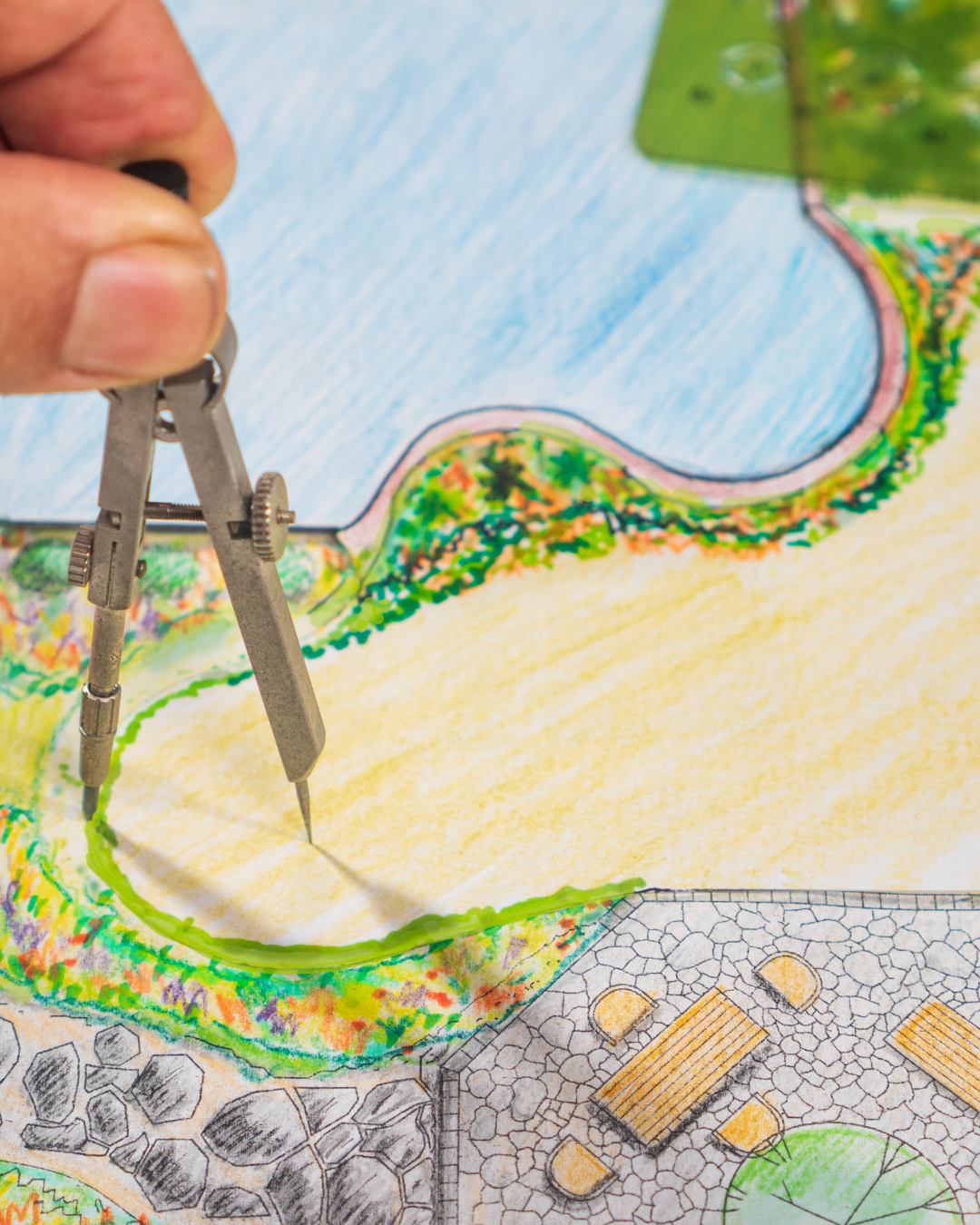
In recent years, schools across Ireland have opened more and more autism classes. This is genuinely positive progress. For many families, these classes mean access to support that previously simply didn’t exist. They represent recognition, awareness, and a willingness to adapt our education system to meet diverse needs. But while celebrating this progress, I often find myself wondering: what about the other neurodivergent students? What about ADHDers? What about twice-exceptional learners? What about students whose needs don’t fit neatly into one category? Neurodiversity is much broader than any single label. Autism classes can provide essential support for many students, but the wider school environment is still often built around a very narrow idea of how children should learn, move, focus, and behave. When that happens, teachers, even the most dedicated ones, are left trying to bridge the gap between students’ needs and environments that were never designed with them in mind. And there are so many incredible teachers in Ireland doing exactly that every day. But sometimes the issue isn’t teaching practice. Sometimes the issue is the environment itself. Equity in education doesn’t begin and end in the classroom. It extends to the entire school building. Lighting, noise levels, movement spaces, sensory regulation areas, predictable routines, flexible seating, quiet corners, and safe places to decompress can make an enormous difference. For many neurodivergent children, these environmental factors determine whether they can truly engage in learning or simply try to get through the school day. This is where the concept of Universal Design for Learning (UDL) becomes so powerful. Universal design asks a simple but transformative question: What if we designed schools from the start to work for as many learners as possible? Instead of creating systems that fit only one type of student and then adding accommodations later, universal design encourages us to build environments that naturally support a wide range of minds. Flexible spaces. Multiple ways to engage with learning. Opportunities for movement. Different ways to show understanding.  When schools embrace this approach, everyone benefits, not just neurodivergent students. Autism classes are an important step forward, and the teachers working in them, and in mainstream classrooms, deserve enormous recognition. But the long-term goal should be broader: schools designed with neurodiversity in mind from the start, where different ways of thinking, learning, and being are expected rather than accommodated. Because when we create environments that support different kinds of minds, we don’t just make school more accessible. We make it better for everyone.
February 1, 2026
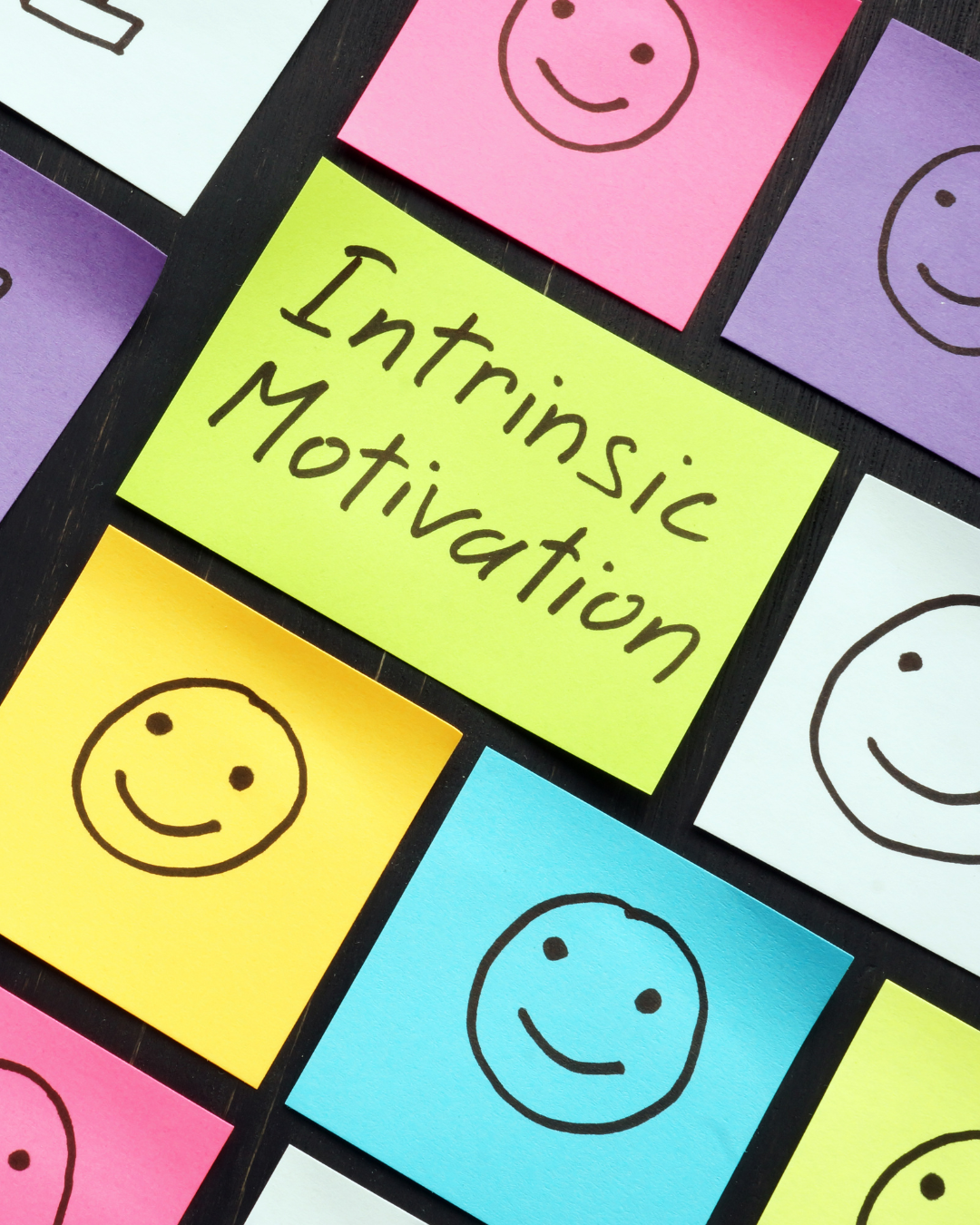
Too often, especially with neurodivergent children, we fall into the trap of using rewards and praise as tools to manage behaviour. Stickers, points, praise, "good girl", "well done", "good job" — these may seem harmless, even helpful. But they risk teaching children to perform for approval, rather than to develop a deep, personal connection to what they do and why they do it. We are not raising children to please teachers, parents or therapists. We are guiding them to become emotionally intelligent, self-aware adults who know how to care for themselves, not because someone told them to, but because they value themselves. This is intrinsic motivation. And it matters. As adults, how many of us go to work each day simply to earn money. How many dread Mondays, feel disconnected from their work, and live for the weekend. This is the cost of relying on external rewards. When work is disconnected from meaning, we lose motivation, fulfilment and identity. So why are we raising children to follow the same path? Instead, let us raise them to do things because they matter to them . Let us support them in discovering their own sense of accomplishment and pride. Rather than saying "good girl" or "well done", how about: "You’ve made it. You should be so proud." "I can see how hard you worked. I’m sure you are thrilled with what you’ve done." These kinds of responses help children locate pride and satisfaction within themselves , not in the reactions of others. We want them to feel the gratitude of taking care of themselves, and the joy of achieving something for their own growth, not to earn someone else's approval. This is not just theory. This is backed by decades of research. In Drive: The Surprising Truth About What Motivates Us , Daniel H. Pink explains that intrinsic motivation, autonomy, mastery and purpose, is far more powerful and sustainable than external incentives. Likewise, research by Amabile, Hennessey and Grossman (1986) in the Journal of Personality and Social Psychology showed that expected rewards can actually reduce creativity and internal motivation. Jane Nelsen’s Positive Discipline also offers a compassionate, respectful and evidence-informed approach to helping children grow into capable and resilient adults, without bribes, punishment or empty praise. Children are not here to make our lives easier. They are here to grow into people with a strong self-concept, rooted in their own values. Our job is not to control them, but to support them in becoming themselves. Let us stop asking, “How can I get them to do it?” Let us start asking, “How can I help them want to do it — for themselves?” Because in the end, this is not about compliance. It is about becoming.  Recommended reading: Drive by Daniel H. Pink (2010) Positive Discipline by Jane Nelsen (2016) Amabile, T. M., Hennessey, B. A., & Grossman, B. S. (1986). Social influences on creativity: The effects of contracted-for reward. Journal of Personality and Social Psychology
December 8, 2025
Very often, when we talk about neurodivergent childhood, we do it from a pity view. From a framework that teaches the child about their "lackings" and their deficits. But rarely are we willing to assess the environment where that child lives, or even the educational system itself. This is not just about using neuroaffirming language or showing real inclusion. We need to go further and deeper into the rabbit hole. What is this doing to the child’s self-esteem or the child’s self-concept? What about their ability to connect with themselves and respect their needs? What about teaching them from a framework that promotes genuine well-being and good mental health? Personal development is possible, even when your neurology is different, just like everyone else’s. Somehow yours is more interesting, and everyone is pointing at you. But yes, there is power within you; there is a personality and an identity worth treasuring. And no, you are not broken, you are not a default. You are marvellous! Even though your nervous system gets hurt in this crazy, fast, loud world, you have the amazing power to connect with nature far beyond typical norms. I’m talking about true connection, like looking at a landscape and crying out of wonder. You can feel your heart fill with authentic joy while doing something as simple as soaking your hands in dried lentils! But there is no time for this in the modern world. You are not given the time to allow your mind to get hyper focused, no time to adapt the curriculum, no time to present materials from a monotropic perspective. And you are not certainly given the time to stim, because, hey, it looks too weird. And remember: if you are moving, you are not paying attention. And then is when it truly hits you! You feel like you have to step aside, you feel like you cannot be yourself, like you don’t belong. The message you receive is: The system is not broken. You are. Who can fight this strong statement, when everyone is agreeing: your teachers, your doctors, your aunts and uncles, and now even mum and dad? Because the pressure is too much. It gets to everyone. What can we do to help you believe again? To give you permission to reconnect with yourself? Would you believe us if we tell you that you are amazing? That the power lies within? You just need to trust. And be patient. Please, believe us when we tell you they will get there eventually.  In the meantime, try to protect yourself. Because you are worthy of true love.

Contact Us Today

Call us today to discuss your needs